
Bulkheads And Docks Play Critical Role In Protecting Louisiana Waterfront Property
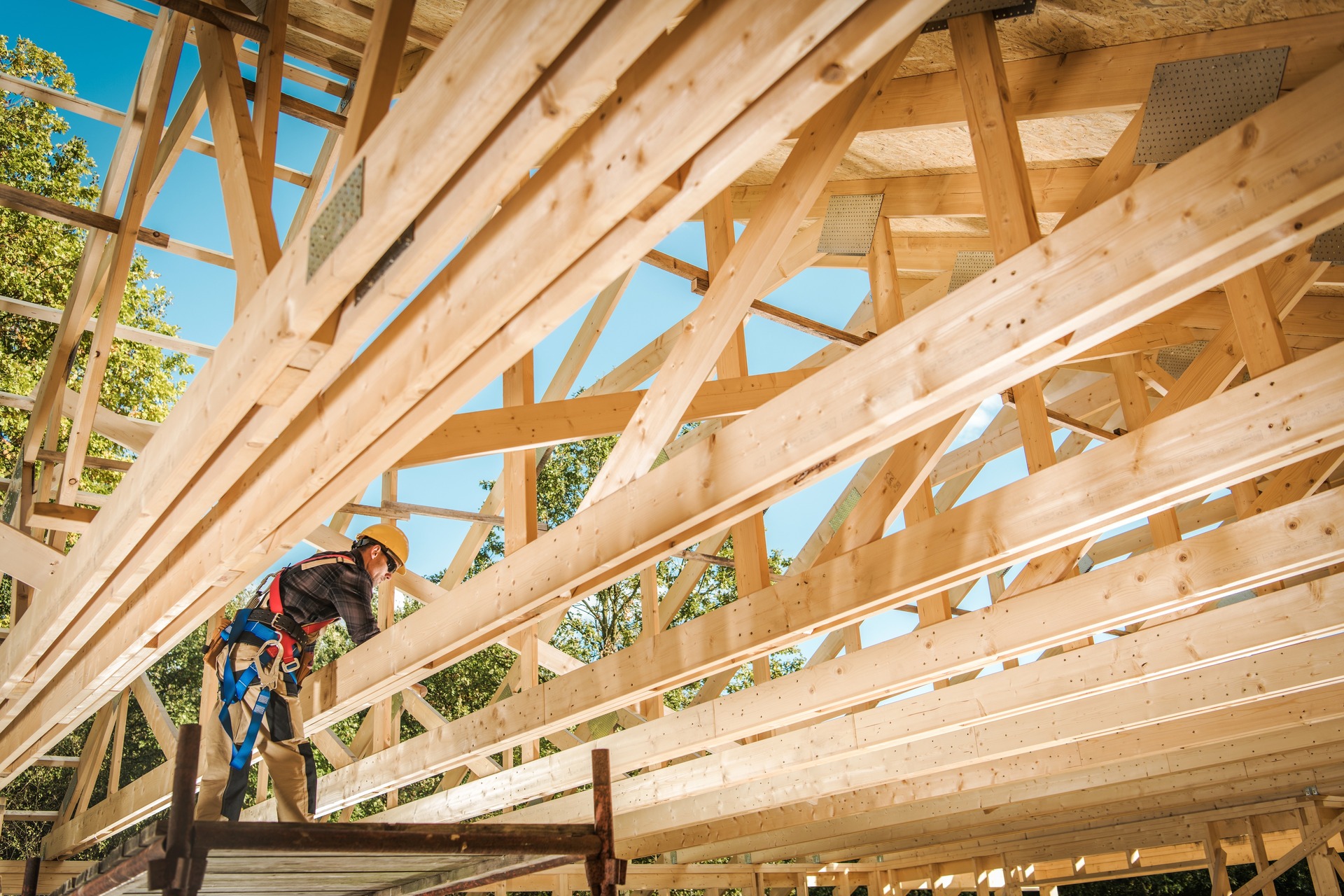

Bulkheads and docks are more than convenience features along Louisiana waterfront property”
SLIDELL, LA, UNITED STATES, June 4, 2026 /EINPresswire.com/ -- Waterfront properties throughout Louisiana face constant exposure to shifting tides, heavy rainfall, storms, erosion, and changing water levels. Along canals, bayous, rivers, lakes, and coastal areas, bulkheads and docks continue serving as important structural elements designed to help stabilize shorelines, improve water access, and support long-term property maintenance.— Elwin Ordoyne
Across South Louisiana, waterfront construction has become closely tied to environmental conditions unique to the Gulf Coast region. Soil movement, wave action, and seasonal weather patterns can gradually impact shoreline stability if protective structures are not properly maintained. Bulkheads are commonly used to help reduce erosion while creating a barrier between land and water.
Contractors involved in marine and waterfront construction note that erosion often occurs gradually over time, making shoreline damage difficult for property owners to detect in the early stages. Small changes along the waterline may eventually contribute to soil loss, drainage issues, and shifting ground conditions around homes, docks, and outdoor structures.
Bulkheads are typically constructed using materials such as treated lumber, vinyl, steel, or concrete depending on environmental conditions and project requirements. The design and installation process often takes into account water depth, soil composition, tidal movement, drainage, and exposure to boat traffic or storm surge activity.
Louisiana’s climate creates additional challenges for waterfront properties due to hurricanes, tropical storms, heavy rainfall, and fluctuating water conditions throughout the year. In many areas, repeated exposure to wave action and high moisture levels can gradually weaken unprotected shorelines and contribute to land loss.
Docks also play an important role in many Louisiana waterfront communities. Residential and commercial docks provide access for recreational boating, fishing, transportation, and marine operations. In some regions, docks serve as essential infrastructure connected to daily waterfront activity and local industries.
Marine construction professionals note that dock design varies significantly depending on water conditions and intended use. Some docks are designed primarily for recreational access, while others support heavier equipment, boat lifts, or commercial activity. Factors such as water depth, tidal fluctuation, and current movement often influence engineering and material selection.
Poorly maintained docks and bulkheads can present structural and safety concerns over time. Wood deterioration, corrosion, shifting pilings, loose decking, and erosion beneath support systems may gradually compromise stability. Regular inspections are often recommended to identify damage caused by weather exposure and long-term wear.
Drainage management is also closely connected to waterfront construction. Improper drainage around waterfront properties may increase pressure against bulkheads and contribute to accelerated soil erosion. Water pooling behind retaining structures can create additional stress that affects long-term structural performance.
Environmental regulations and permitting requirements are another major consideration in Louisiana marine construction projects. Waterfront construction frequently involves coordination with local, parish, state, and federal agencies depending on the location and scope of work. Requirements may vary based on wetlands, navigable waterways, flood zones, and environmental impact considerations.
As coastal erosion continues affecting portions of Louisiana, shoreline stabilization remains an ongoing concern for many waterfront property owners. In some areas, rising water levels and increased storm activity have intensified interest in marine construction improvements designed to help protect land and structures from long-term environmental exposure.
Marine contractors also emphasize the importance of selecting materials suited to Louisiana’s climate conditions. Saltwater exposure, humidity, heat, and constant moisture can accelerate deterioration in certain construction materials if not properly engineered for marine environments. Material selection often impacts maintenance requirements and structural longevity.
“Bulkheads and docks are more than convenience features along Louisiana waterfront property,” said Elwin Ordoyne. “They serve important structural functions related to shoreline stability, water access, drainage management, and long-term property protection in an environment that constantly changes.”
Flood resilience has also become a growing topic in waterfront construction discussions. Elevated dock systems, reinforced pilings, improved anchoring methods, and upgraded marine materials are increasingly being considered in response to stronger storms and changing environmental conditions throughout coastal regions.
Waterfront property owners are also paying closer attention to maintenance planning. Exposure to moisture and weather often requires periodic inspections, repairs, cleaning, and replacement of aging components. Deferred maintenance may increase the likelihood of larger structural problems developing over time.
Insurance considerations sometimes influence marine construction decisions as well. Waterfront structures may be evaluated differently depending on location, flood risk, storm exposure, and structural condition. Property owners frequently review bulkhead and dock conditions during broader assessments related to storm preparation and risk management.
Real estate professionals note that functional waterfront access can also influence property usability and long-term maintenance planning. Docks, retaining systems, and shoreline protection measures are commonly viewed as important infrastructure components for many Louisiana waterfront properties.
Advances in marine construction methods continue shaping how waterfront projects are designed throughout the Gulf Coast region. Improvements in materials, anchoring systems, erosion control strategies, and engineering approaches are allowing contractors to adapt to changing environmental demands and evolving coastal conditions.
As Louisiana communities continue balancing development with environmental realities, bulkheads and docks remain closely connected to waterfront property management and shoreline preservation efforts. Contractors and property owners alike continue monitoring how weather patterns, erosion, and coastal changes impact long-term waterfront construction needs across the region.
Morgan Thomas
Rhino Digital, LLC
+1 504-875-5036
email us here
Visit us on social media:
Facebook
Legal Disclaimer:
EIN Presswire provides this news content "as is" without warranty of any kind. We do not accept any responsibility or liability for the accuracy, content, images, videos, licenses, completeness, legality, or reliability of the information contained in this article. If you have any complaints or copyright issues related to this article, kindly contact the author above.
