

Fluoxetine and Prozac Risks: Alternative to Meds Center Highlights Safe Tapering and Holistic Mental Health Support

An individual experiencing distress often associated with antidepressant side effects or withdrawal, highlighting the need for careful tapering and clinical support.

Serotonin syndrome is a serious medical condition associated with excessive serotonin activity, requiring immediate attention and awareness.

Symbolic image representing the challenges of medication dependence and the importance of informed, medically guided paths toward recovery.
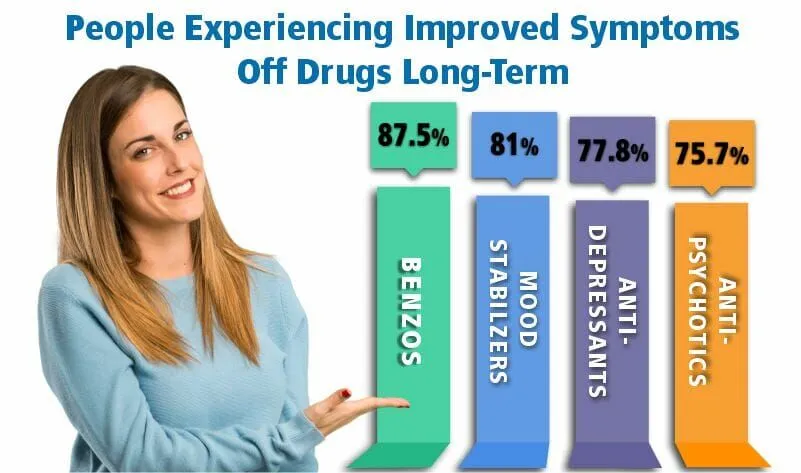
Chart illustrating reported long-term symptom improvement among individuals no longer using psychiatric medications across multiple drug categories.

Graphic referencing the “one pill fits all” concept often associated with antidepressant marketing, highlighting discussions around Prozac and SSRI use.
Sedona-based Alternative to Meds Center raises awareness of SSRI risks, antidepressant withdrawal challenges & the importance of individualized recovery support
Fluoxetine belongs to a class of medications known as selective serotonin reuptake inhibitors, or SSRIs. It is commonly prescribed for major depressive disorder, obsessive-compulsive disorder, panic disorder, bulimia nervosa, and other mental health conditions. Since its introduction, Prozac became one of the most recognizable pharmaceutical brands in mental health care, shaping public conversations around depression, serotonin, and psychiatric medication for decades.
While fluoxetine remains an important medication for many patients, Alternative to Meds Center emphasizes that individuals should also understand the possible risks, limitations, side effects, and withdrawal considerations associated with SSRI use. The organization advocates for informed decision-making, individualized care, and safe, supervised tapering for those who are considering reducing or discontinuing antidepressant medications.
“Patients deserve clear, balanced information about what antidepressants may help with, what they may not address, and what can happen when someone tries to stop them,” said Dr. Samuel Lee, MD, a psychiatrist specializing in holistic mental health. “When individuals understand the full picture, they are better prepared to make thoughtful decisions about their long-term mental health.”
Reexamining the Role of Serotonin
Fluoxetine works by altering serotonin activity in the brain. Serotonin is a neurotransmitter involved in mood regulation, sleep, digestion, appetite, cognition, and several other biological processes. Historically, antidepressants such as Prozac were often marketed around the idea that depression was primarily caused by a chemical imbalance involving low serotonin levels.
In recent years, that explanation has been increasingly viewed as incomplete. Mental health conditions are complex and may involve many overlapping contributors, including genetics, trauma, inflammation, hormones, sleep disruption, nutrient deficiencies, chronic stress, gut health, environmental exposures, and life circumstances. While serotonin activity may play a role in mood regulation, increasing serotonin availability does not necessarily address all underlying contributors to depression, anxiety, or emotional distress.
This broader understanding is one reason Alternative to Meds Center emphasizes a whole-person model. Rather than focusing only on neurotransmitter activity, ATMC evaluates how physical health, nutritional status, environmental burden, lifestyle factors, and emotional support may influence mental wellness.
Serotonin is also closely tied to digestive and whole-body function, reinforcing the importance of looking beyond the brain alone. While it would be too simplistic to say gut health is the only factor in depression or anxiety, the relationship between the gut, nervous system, immune function, and mental health is increasingly recognized as an important area of focus.
Fluoxetine Side Effects and Reported Risks
Many individuals report short-term benefits from SSRIs, including improved mood, reduced anxiety, and better daily functioning. At the same time, fluoxetine may also be associated with side effects that can affect quality of life, physical health, emotional stability, and long-term treatment decisions.
Reported side effects may include:
- Anxiety, agitation, or restlessness
- Sleep disturbances, insomnia, or fatigue
- Gastrointestinal symptoms such as nausea, diarrhea, or appetite changes
- Emotional blunting or difficulty feeling normal emotional range
- Sexual dysfunction or reduced libido
- Headaches, sweating, tremors, or nervous system sensitivity
- Mood instability or worsening depression in some individuals
In more serious cases, patients may experience significant behavioral, neurological, or psychiatric changes, including increased irritability, aggression, suicidal thoughts, or worsening emotional distress. Fluoxetine and other antidepressants carry a boxed warning regarding increased risk of suicidal thoughts and behaviors in children, adolescents, and young adults.
Another important safety concern is serotonin syndrome, a potentially life-threatening condition associated with excessive serotonergic activity. This risk may increase when medications that affect serotonin are combined with other prescriptions, supplements, or substances that also influence serotonin levels. Symptoms can include agitation, confusion, rapid heart rate, sweating, tremors, muscle rigidity, fever, and severe neurological complications.
These risks do not mean that fluoxetine is inappropriate for everyone. However, they do highlight the importance of proper prescribing, careful monitoring, informed consent, and ongoing communication between patients and qualified healthcare providers.
Why Prozac Became So Widely Recognized
Part of the ongoing conversation around Prozac is cultural as well as medical. Prozac became widely known not only because of its clinical use, but also because of the way it entered public awareness. For many people, it represented a new era of psychiatric treatment, one in which depression was discussed more openly and medication became a common part of mainstream mental health care.
That increased visibility helped many individuals seek treatment who may otherwise have suffered silently. At the same time, the widespread promotion of SSRIs also contributed to a simplified public understanding of depression, brain chemistry, and long-term medication use.
Alternative to Meds Center believes the next stage of mental health awareness should include a more balanced conversation. That means acknowledging that medications may help some individuals while also recognizing that others may experience side effects, limited benefit, emotional blunting, dependence, withdrawal symptoms, or a desire to explore non-pharmaceutical support.
“Medication can be part of a person’s mental health history, but it should not be the only lens through which we understand that person,” Dr. Lee said. “A more complete approach looks at the body, the nervous system, nutrition, environment, and the individual’s lived experience.”
The Challenge of Antidepressant Withdrawal
Another area receiving increased attention is the process of discontinuing antidepressants. Although fluoxetine has a longer half-life than many other SSRIs, withdrawal symptoms can still occur, especially when discontinuation is too abrupt or not properly managed.
Because fluoxetine remains in the body longer, withdrawal symptoms may sometimes appear later than expected. This delayed onset can confuse individuals who assume that symptoms developing days or weeks after a reduction are unrelated to the medication change. In some cases, withdrawal symptoms may be mistaken for relapse, leading to unnecessary fear or abrupt changes in treatment plans.
Common withdrawal symptoms may include:
- Dizziness, vertigo, or balance problems
-Flu-like symptoms, body aches, or fatigue
- Sleep disturbances, vivid dreams, or insomnia
- Mood swings, irritability, or rebound anxiety
- Depressive feelings or emotional sensitivity
- Cognitive difficulties, brain fog, or concentration problems
- Sensory changes or nervous system discomfort
Because fluoxetine affects central nervous system function, abrupt cessation or poorly managed tapering can create significant discomfort. For individuals with a history of severe depression, anxiety, trauma, suicidality, or medication sensitivity, the process may require additional planning and oversight.
Alternative to Meds Center encourages individuals to avoid stopping fluoxetine on their own without professional guidance. A safer approach considers the person’s medication history, current symptoms, physical health, emotional stability, support system, and long-term recovery goals.
Why Individualized Tapering Matters
Safe tapering is not a one-size-fits-all process. Two people taking the same medication at the same dose may respond very differently to dosage reductions. One person may tolerate a reduction with minimal discomfort, while another may experience significant physical, emotional, or neurological symptoms.
Factors that may influence tapering include:
- Length of time taking fluoxetine
- Current dosage and previous dosage changes
- History of withdrawal symptoms
- Co-occurring medications
- Nutritional status and digestive health
- Sleep quality and stress levels
- Trauma history or emotional sensitivity
- Overall medical and psychiatric history
A thoughtful tapering plan should be flexible enough to adjust based on the individual’s response. If symptoms intensify, the plan may need to slow down or be reassessed. If the person is stable, progress can continue in a more structured way. The goal is not simply to stop medication quickly, but to support the person’s stability throughout the process.
“Safe tapering requires respect for the individual nervous system,” Dr. Lee added. “The pace should be guided by the person’s response, not by a rigid schedule that ignores symptoms or history.”
A Holistic Approach to Mental Health Recovery
For more than two decades, Alternative to Meds Center has specialized in helping individuals reduce or discontinue psychiatric medications through a comprehensive, integrative model. The program combines medical oversight with nutrition and detoxification support, counseling, lifestyle interventions, and non-pharmaceutical strategies designed to support the body during medication transitions.
ATMC’s approach focuses on addressing underlying contributors to mental health challenges rather than only managing symptoms. This may include evaluating nutritional deficiencies, gut health, environmental exposures, medication-related burden, sleep disruption, stress patterns, and other factors that may influence mood and nervous system regulation.
Core components of ATMC’s approach may include:
- Medically supervised tapering protocols tailored to each individual
- Nutritional therapy to support brain and body function
- Gut health support to help stabilize whole-body wellness
- Detoxification strategies to reduce environmental and chemical burden
- Counseling and emotional support throughout the recovery process
- Education to help individuals make informed health decisions
This approach is designed to help individuals move through medication changes with more support, clarity, and stability. Rather than viewing tapering as an isolated medication adjustment, ATMC frames it as part of a broader recovery process.
Supporting the Body During SSRI Withdrawal
During antidepressant withdrawal, the body may require additional support. Nutritional status can influence energy, mood, sleep, immune function, and neurotransmitter-related processes. When deficiencies or imbalances are present, individuals may find it harder to manage the stress of tapering or withdrawal.
Gut health may also be important. The digestive system is closely connected to immune function, inflammation, nutrient absorption, and nervous system signaling. Supporting digestion and microbiome balance may help create a stronger foundation for overall wellness during recovery.
Detoxification support is another part of ATMC’s broader model. The center recognizes that environmental exposures, accumulated toxic burden, and medication-related stress may affect how individuals feel physically and emotionally. By supporting the body’s natural elimination pathways, ATMC aims to help individuals build a stronger base for long-term stability.
Emotional support is equally important. For many people, tapering can bring uncertainty, fear, or a sense of vulnerability. Counseling, education, and structured care can help individuals understand what they are experiencing and avoid making impulsive decisions during difficult moments.
Empowering Patients Through Education
A key message from Alternative to Meds Center is the importance of patient education. With ongoing debate surrounding antidepressants, serotonin theories, medication risks, and withdrawal, individuals should be encouraged to participate actively in their healthcare decisions.
This does not mean patients should reject conventional treatment or discontinue medication without support. Instead, ATMC encourages people to ask informed questions, understand both benefits and risks, and seek professional guidance when considering any medication change.
Important questions may include:
- Why was fluoxetine prescribed originally?
- Is it still providing meaningful benefit?
- Are side effects affecting quality of life?
- What risks should be considered before tapering?
- What symptoms may occur during withdrawal?
- What support is available if symptoms become difficult?
- Are there underlying contributors that should be addressed?
“Knowledge gives people a stronger foundation for decision-making,” Dr. Lee said. “When individuals understand their options, they can work with qualified professionals to choose a path that better aligns with their health needs and long-term goals.”
Looking Ahead: A More Complete Mental Health Conversation
As awareness continues to grow, the conversation around mental health treatment is shifting toward more personalized and comprehensive care models. Medications like fluoxetine remain part of treatment for many people, but there is increasing recognition that mental health cannot be fully understood through medication alone.
Alternative to Meds Center remains committed to supporting individuals through education, safe tapering practices, and holistic recovery programs that prioritize long-term well-being. By combining medical oversight with nutrition, detoxification, counseling, and individualized care, ATMC continues to advocate for a broader model of mental health recovery.
For individuals considering fluoxetine reduction or exploring alternatives to long-term SSRI use, the center encourages careful planning, professional support, and a balanced understanding of both the benefits and challenges associated with antidepressant medication.
About Alternative to Meds Center
Alternative to Meds Center is a Sedona, Arizona-based holistic mental health recovery program specializing in safe, supervised tapering and drug-free treatment approaches. With more than 20 years of experience, ATMC integrates nutrition, detoxification, and individualized care to support lasting mental wellness.
References
Alternative to Meds Center. (n.d.). Prozac withdrawal symptoms, holistic recovery help. https://www.alternativetomeds.com/blog/prozac-withdrawal/
Alternative to Meds Center. (n.d.). Fluoxetine tapering help: Prozac titration & weaning support. https://www.alternativetomeds.com/blog/fluoxetine-tapering/
Alternative to Meds Center. (n.d.). Treatment for medication withdrawal & addiction. https://www.alternativetomeds.com/medication-withdrawal/
Cleveland Clinic. (2023, August 30). Antidepressant discontinuation syndrome. https://my.clevelandclinic.org/health/diseases/25218-antidepressant-discontinuation-syndrome
Food and Drug Administration. (2023). PROZAC (fluoxetine capsules) for oral use: Prescribing information. https://www.accessdata.fda.gov/drugsatfda_docs/label/2023/018936%20s112lbl.pdf
Horowitz, M. A., & Taylor, D. (2019). Tapering of SSRI treatment to mitigate withdrawal symptoms. The Lancet Psychiatry, 6(6), 538–546. https://doi.org/10.1016/S2215-0366(19)30032-X
Mayo Clinic. (n.d.). Serotonin syndrome: Symptoms & causes. https://www.mayoclinic.org/diseases-conditions/serotonin-syndrome/symptoms-causes/syc-20354758
Royal College of Psychiatrists. (2024, March). Stopping antidepressants. https://www.rcpsych.ac.uk/mental-health/treatments-and-wellbeing/stopping-antidepressants
Alternative to Meds Center
Alternative to Meds Center
+1 877-503-0770
webreach@alttomeds.com
Visit us on social media:
LinkedIn
Instagram
Facebook
YouTube
TikTok
X
Other
Legal Disclaimer:
EIN Presswire provides this news content "as is" without warranty of any kind. We do not accept any responsibility or liability for the accuracy, content, images, videos, licenses, completeness, legality, or reliability of the information contained in this article. If you have any complaints or copyright issues related to this article, kindly contact the author above.
