

Precious Metal Buyers Evaluate Coin Collections Using Multiple Factors Beyond Silver And Gold Content
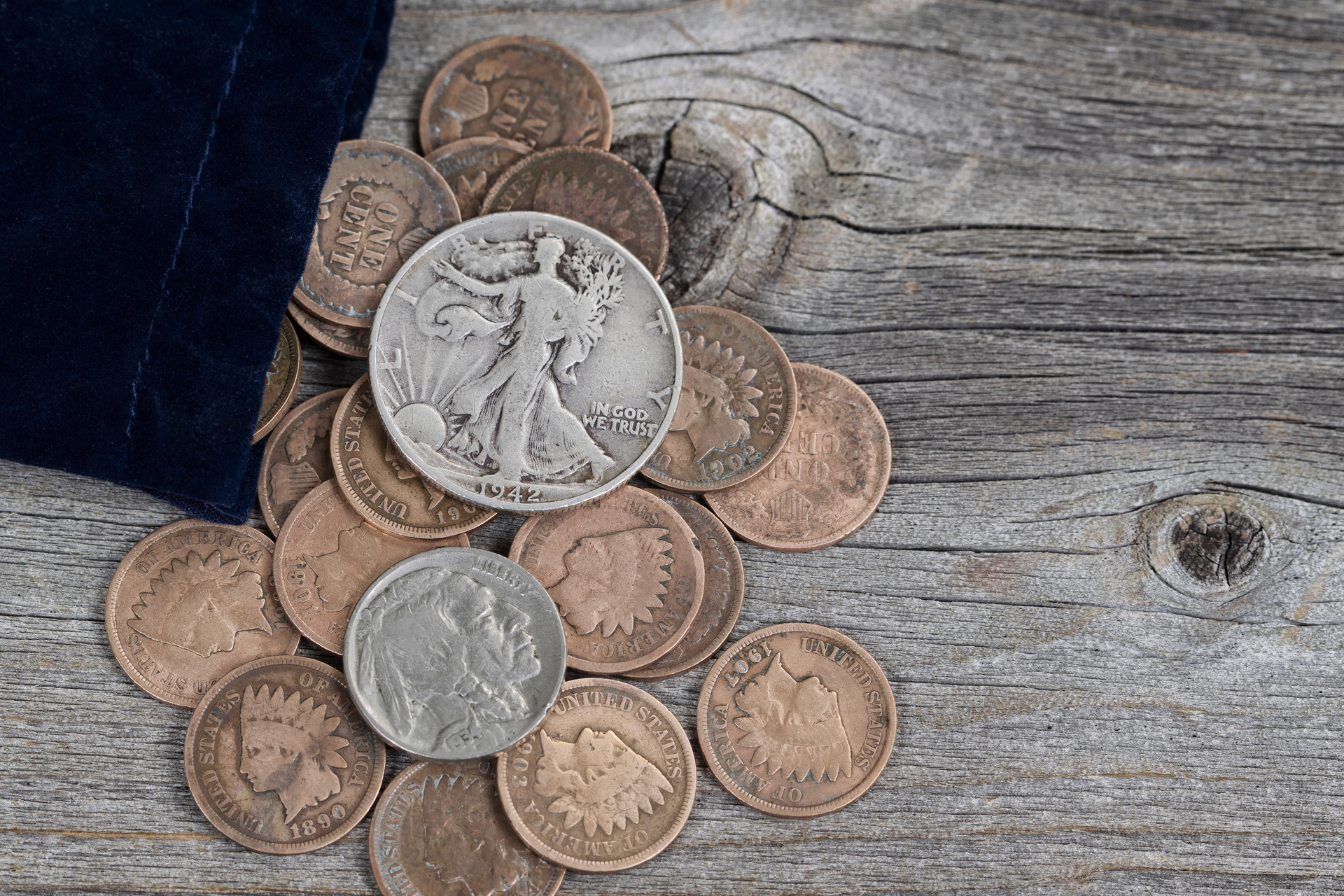

Coin evaluations involve much more than simply weighing silver or gold”
METAIRIE, LA, UNITED STATES, May 29, 2026 /EINPresswire.com/ -- Coin collections are often evaluated using a combination of precious metal value, rarity, condition, historical significance, and collector demand. Precious metal buyers and coin specialists regularly assess collections ranging from inherited family holdings and estate collections to investment portfolios and long-term hobby accumulations.— Ken Bowers
Industry professionals note that many coin owners initially assume collections are valued strictly by metal weight. While silver and gold content can play a major role in pricing, collectors and buyers frequently examine additional factors that may significantly influence overall value.
One of the first considerations during an evaluation is identifying the type of coins included in the collection. Coins may consist of bullion pieces, circulated currency, proof sets, commemorative issues, historical coins, or collectible numismatic items. Different categories often require different valuation approaches.
Precious metal content remains an important component for many collections. Older U.S. coins minted before certain dates may contain substantial amounts of silver or gold. Coins such as Morgan silver dollars, pre-1965 U.S. dimes and quarters, gold Eagles, and foreign bullion coins are commonly evaluated based partly on current precious metal market prices.
However, metal value alone does not always determine worth. Rare dates, mint marks, limited production numbers, and historical significance may increase value beyond bullion pricing. Certain coins containing relatively small amounts of precious metal may still command higher collector interest because of scarcity or condition.
Condition grading is another major factor during coin evaluations. Buyers commonly assess surface wear, scratches, discoloration, edge damage, cleaning marks, and overall preservation. Coins in higher grades often hold greater collector value than heavily circulated examples of the same issue.
Professional grading systems developed by numismatic organizations help standardize coin condition classifications. Terms such as Good, Fine, Extremely Fine, Mint State, and Proof are frequently used to describe preservation quality. Third-party grading certifications may also influence marketability and pricing.
Coin cleaning is a topic often discussed during evaluations because improper cleaning may reduce collector value. Abrasive polishing, chemical treatments, and aggressive cleaning methods can damage original surfaces and alter a coin’s appearance. Many collectors and buyers prefer coins that retain natural aging and patina.
Historical context may also contribute to value. Coins connected to specific periods, mints, or historical events sometimes attract interest from collectors beyond precious metal investors. Civil War-era coins, early American currency, and limited-mintage historical issues may carry both collectible and historical appeal.
Estate collections frequently contain mixed categories of coins accumulated over decades. Some collections include modern bullion alongside older circulated currency, foreign coins, commemorative sets, and collectible numismatic pieces. Buyers often separate collections into categories during the evaluation process to determine individual market segments.
Authentication remains an important part of coin analysis as counterfeit coins continue appearing in both collectible and bullion markets. Weight, dimensions, edge patterns, composition testing, and visual inspection are commonly used to help verify authenticity. Some evaluations may involve magnification tools, electronic testing devices, or professional grading references.
Precious metal market fluctuations can also affect collection values. Gold and silver prices may shift daily based on economic conditions, inflation concerns, interest rates, and global market activity. Collections containing significant bullion content are often influenced by current spot market pricing.
Collectors and investors may also place value on complete sets and organized collections. Albums containing matching date runs, complete series, or historically connected groupings sometimes attract additional collector interest compared to individual loose coins sold separately.
Storage conditions can impact long-term coin preservation as well. Moisture exposure, improper handling, humidity, PVC contamination, and environmental damage may affect appearance and condition over time. Protective holders, archival storage materials, and controlled environments are commonly recommended for long-term preservation.
“Coin evaluations involve much more than simply weighing silver or gold,” said Ken Bowers, owner of Kenworks in Metairie, Louisiana. “Buyers often examine condition, rarity, mint marks, historical relevance, collector demand, and authenticity when determining how collections are valued.”
Inherited coin collections often present challenges for families unfamiliar with numismatics. Collections stored in jars, cigar boxes, safety deposit boxes, or albums may contain items with varying levels of collector interest. Some older coins with modest appearance may carry greater value than newer pieces containing higher metal weight.
Documentation and original packaging can sometimes influence value as well. Government-issued packaging, certificates of authenticity, grading records, and original mint boxes may contribute to collector appeal in certain markets.
Foreign coins are also frequently included in precious metal evaluations. Some international coins contain significant gold or silver content, while others may hold primarily historical or collectible interest depending on rarity and condition.
Coin collecting continues remaining popular among investors, hobbyists, and history enthusiasts alike. Interest in precious metals, economic uncertainty, and historical collectibles often contribute to continued activity within coin markets and estate evaluations.
As precious metal prices and collector markets continue evolving, professional evaluations remain an important part of understanding the composition and potential value of coin collections. Buyers and collectors alike continue examining collections through a combination of historical knowledge, precious metal analysis, grading standards, and market demand considerations.
Morgan Thomas
Rhino Digital, LLC
+1 504-875-5036
email us here
Visit us on social media:
Facebook
Legal Disclaimer:
EIN Presswire provides this news content "as is" without warranty of any kind. We do not accept any responsibility or liability for the accuracy, content, images, videos, licenses, completeness, legality, or reliability of the information contained in this article. If you have any complaints or copyright issues related to this article, kindly contact the author above.
