

Your culture, society and lifestyle news reporter
Provided by AGP
Filta Kleen Co Highlights Kitchen Fume Risks and Fire Protection Needs
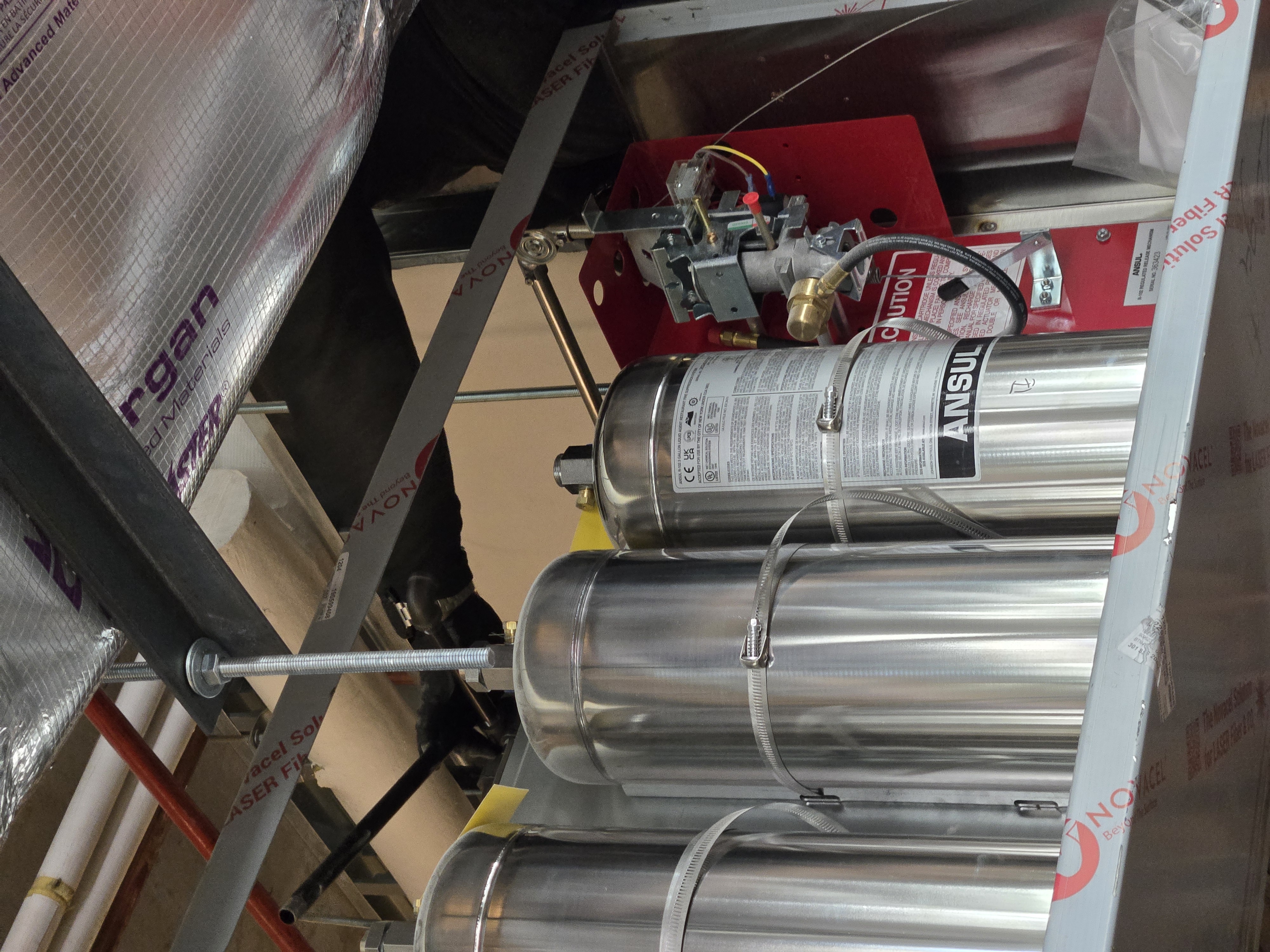
A Ansul Fire Suppression System installed in a restaurant that Done Right Hood and Fire Safety Services Located in South Florida
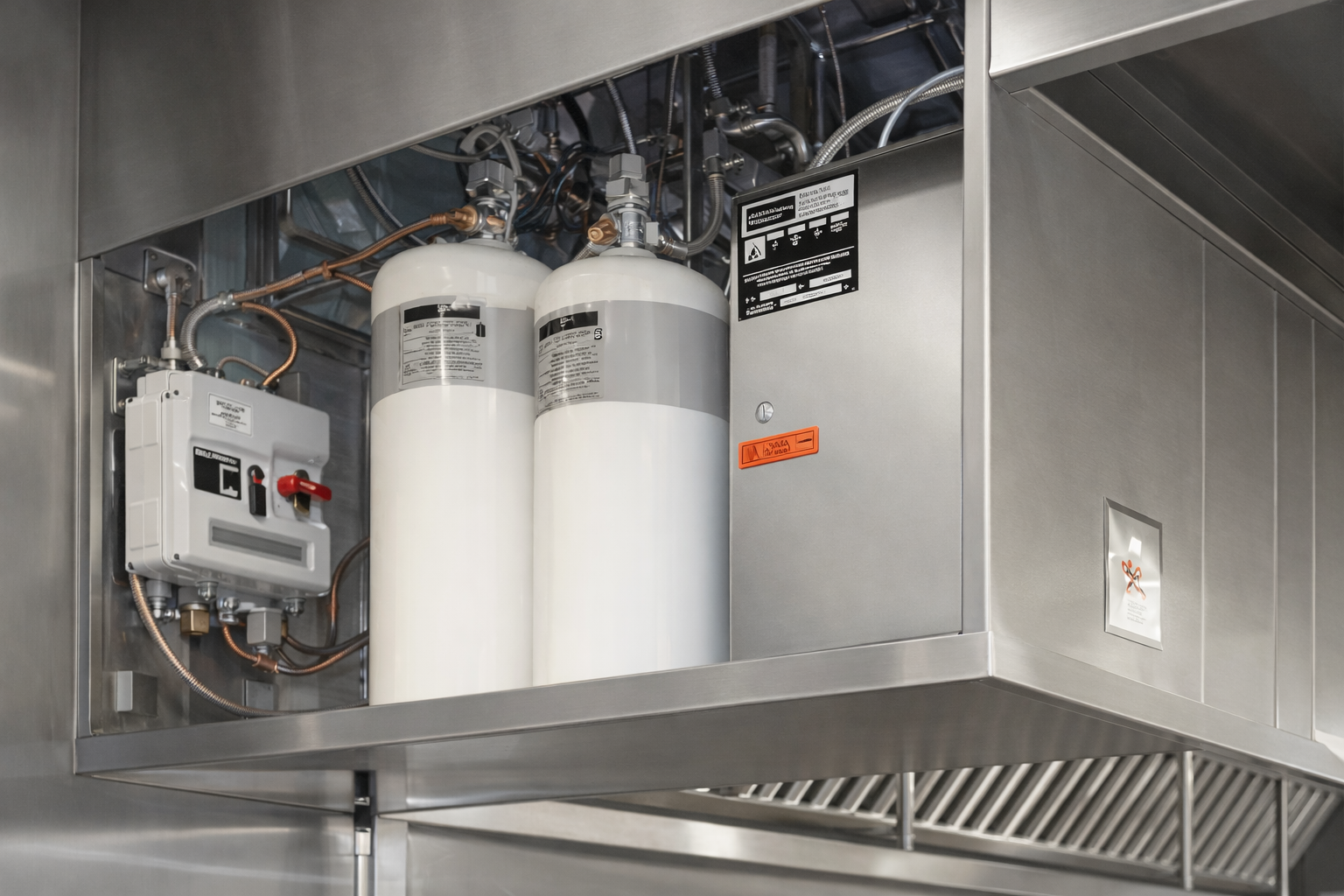
A fire suppersion installed on a restaurant hood at a local NYC eatery

A Filta Kleen Hood Cleaning Specialist Cleaning a Commercial Air-Duct.
Filta Kleen Co says smoke, grease-laden vapors, and neglected repairs can raise fire and air quality risks for staff, guests, and operators.
BROOKLYN, NY, UNITED STATES, May 10, 2026 /EINPresswire.com/ -- Filta Kleen Co is calling attention to the dangers that cooking fumes, grease-laden vapors, and poorly maintained exhaust systems can create inside commercial kitchens, saying the issue affects far more than back-of-house comfort. According to current guidance from NFPA, commercial cooking operations require coordinated ventilation control and fire protection because smoke and grease-laden vapors create ongoing fire hazards, while NIOSH has reported that exposures associated with cooking fumes can irritate the respiratory system and have been linked to cough, shortness of breath, chest pain, and other health concerns in commercial kitchen workers.Filta Kleen Co says the risk extends to nearly everyone inside a restaurant. Employees face the most direct exposure because they work closest to the source of heat, oil aerosols, and combustion byproducts for long periods, but owners and managers also face operational and legal consequences when ventilation and fire protection are neglected. In venues with open kitchens or poor containment, guests can also be affected by drifting smoke, persistent odors, and degraded indoor air conditions. NIOSH’s commercial kitchen evaluation notes that frying and grilling can generate ultrafine particulate matter made up of aerosol oil droplets and combustion products that can be inhaled deep into the lungs.
The company says one of the most important protections in any commercial kitchen is a properly designed and maintained Type 1 hood system integrated with ductwork, exhaust airflow, and automatic fire protection. NFPA 96 governs the design, installation, operation, inspection, and maintenance of commercial cooking ventilation and exhaust systems, while UL’s commercial cooking guidance shows that hood systems, grease filters, exhaust fans, ducts, and fire extinguishing systems are meant to function as one coordinated protective system rather than as isolated components.
Filta Kleen Co notes that Fire suppression systems become especially important when grease-producing appliances are involved. NFPA’s restaurant fire protection guidance states that extinguishing systems protecting commercial cooking operations must be listed to UL 300 or equivalent standards, and that current compliance is achieved through wet chemical system technology for these applications. UL’s code guidance likewise states that commercial cooking fire extinguishing systems are required to comply with UL 300 for the protection of commercial cooking equipment and exhaust systems.
Within the restaurant industry, Ansul systems remain one of the most recognized forms of kitchen fire protection, and ANSUL states that its restaurant fire suppression systems are engineered for commercial kitchen hazards and designed for rapid flame knockdown and cool-down to help minimize reflash. Filta Kleen Co says that whether an operation uses Ansul systems or another compliant setup, the larger issue is not simply having a system in place, but making sure it is properly integrated with the hood, duct path, and exhaust components that support safe performance every day.
According to Filta Kleen Co, this is where restaurant fire suppression services and recurring maintenance become critical. NFPA materials emphasize that the fire hazard in commercial cooking comes not only from active cooking equipment, but also from grease accumulation and failures in ventilation control. Current NFPA documentation also states that responsibility for inspection, testing, maintenance, and cleanliness of commercial cooking ventilation control and fire protection rests with those responsible for the operation of the system, making proactive upkeep a business obligation, not just a vendor recommendation.
The company says delayed repairs can quietly weaken the entire protection chain. A damaged fan, obstructed duct section, worn exhaust component, failing detection link, dirty filter bank, or neglected discharge path can reduce capture and containment performance while also increasing grease buildup and system stress. OSHA has long identified inadequate or improperly maintained ventilation as a major source of indoor air quality problems, which Filta Kleen Co says is especially relevant in kitchens where contaminants are generated continuously during service hours.
For businesses, the repercussions can be severe. Filta Kleen Co says poor kitchen air control and deferred maintenance can lead to employee complaints, more difficult working conditions, reduced guest comfort, fire events, equipment downtime, emergency repairs, business interruption, insurance complications, and reputational damage. In many cases, the visible problem begins as smoke or odor, but the real issue is that the protective system is no longer operating the way the space was designed to operate under code and manufacturer expectations.
“Kitchen fumes should never be treated like a minor nuisance,” a Filta Kleen Co spokesperson said. “When a Type 1 hood, exhaust duct system, and Fire suppression systems are working together properly, they help protect the people in the building and the future of the business. When repairs are ignored, that protection starts to break down. Staying ahead of service is what keeps a system ready to do its job when it matters most.”
Filta Kleen Co says restaurant operators should view maintenance as both a safety strategy and a continuity strategy. Keeping hoods, ducts, fans, and automatic extinguishing equipment in proper working order helps reduce the risks tied to fumes, grease-laden vapors, and fire spread, while also helping owners demonstrate that they are taking reasonable steps to protect staff, patrons, neighboring tenants, and the broader community. As regulators, insurers, and property stakeholders continue to focus on life safety and building performance, the company says timely inspections, repairs, and professional service remain essential for any operation relying on commercial cooking equipment.
Gabriel Jean
Filta Kleen
+1 347-445-4880
email us here
Visit us on social media:
LinkedIn
Instagram
Facebook
Legal Disclaimer:
EIN Presswire provides this news content "as is" without warranty of any kind. We do not accept any responsibility or liability for the accuracy, content, images, videos, licenses, completeness, legality, or reliability of the information contained in this article. If you have any complaints or copyright issues related to this article, kindly contact the author above.
