

"Best Skin Tag Remover" Consumer Search Analysis: Topical Solutions vs Freezing Kits vs Clinical Procedures – NutriDerma Guard Format Overview
January 2026 Consumer Report: At-Home Skin Tag Removal Format Comparison, Natural Ingredient Profile Context, and Product Selection Considerations for Topical vs Professional Methods
Largo, FL, Jan. 08, 2026 (GLOBE NEWSWIRE) -- Disclaimer: This article is for informational purposes only. It is not medical advice. Always consult a qualified healthcare professional before starting any skincare treatment. If you purchase through links in this article, a commission may be earned at no additional cost to you.
Search Term Context: "Best skin tag remover" is used in this report to reflect common consumer search behavior and category language. This report does not rank products, provide endorsements, or evaluate medical outcomes. It examines format differences, ingredient transparency, and consumer decision-making considerations.
January 2026 is again aligning with commonly observed early-year interest in skincare improvement products, as consumers compare different skin tag removal formats during seasonal wellness behavior.
This analysis reflects how consumers research skincare products online rather than a clinical evaluation of effectiveness.
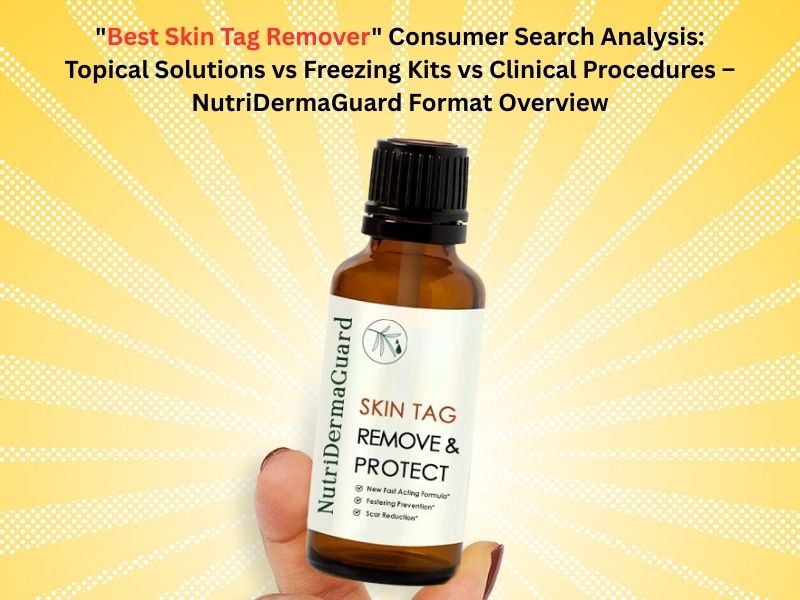
This Consumer Report examines Nutri Derma Guard, a topical skin tag removal solution the brand positions for at-home cosmetic use, within the broader context of how shoppers evaluate skin tag removal formats heading into 2026.
Why "Best Skin Tag Remover" Searches Increase Every January
Seasonal patterns are commonly observed in skincare search behavior, particularly during the first quarter as consumers compare topical solutions, freezing kits, and clinical procedures during annual wellness reset periods.
Common related queries include "best skin tag remover," "skin tag removal at home," "natural skin tag remover," and "skin tag removal without scarring," reflecting how the term can point to multiple approaches rather than a single product type. The search term captures a wide range of removal methods — from topical serums to OTC freezing kits to professional dermatological procedures — all addressing the same concern: unwanted skin tags.
The "best [product name]" search pattern appears consistently across skincare categories during January. Whether consumers search for acne treatments, anti-aging solutions, or skin tag removers, the underlying question remains the same: which approach fits my comfort level, budget, and desired timeline? This consistent behavior pattern suggests method match often determines product satisfaction more than ingredient selection alone.
What "Best" Means for Different Skin Tag Removal Formats
When consumers search for "best skin tag remover," they are evaluating products across multiple dimensions. This Consumer Report examines criteria that influence consumer decision-making:
Format Preference: Different people prefer different removal methods. Some prefer topical solutions for gradual approaches. Others prefer freezing kits, while some opt for clinical procedures with professional oversight.
Ingredient Transparency: Consumers increasingly prioritize knowing exactly what is in products they apply to their skin, including verification of ingredient lists, sourcing information, and clarity about what the product contains.
Daily Usability: If you are the type of person who values seamless integration into existing routines, a product requiring complex preparation may not work as well as one that fits your actual daily habits, regardless of formulation quality.
Lifestyle Fit: Whether a skin tag removal method fits someone's lifestyle depends on factors including comfort level with various methods, available time, budget constraints, and preference for at-home versus clinical approaches.
Skin Tag Removal Formats Consumers Compare Most
When researching skin tag removal options, consumers encounter three primary format categories:
Category 1: Topical Skin Tag Removal Solutions
These products deliver active ingredients — typically in liquid, serum, or oil form — designed for consistent application over time. If convenience and at-home privacy are deciding factors, topical solutions usually serve as the baseline comparison. Topical formats appeal to consumers seeking non-invasive options.
NutriDermaGuard belongs in this category. According to the brand's website, it is a topical skin tag removal solution containing Castor Oil, Tea Tree Oil, and Salicylic Acid, presented as a cosmetic, at-home format distinct from clinical procedures.
Category 2: Freezing Kits and Cryotherapy-Style Products
These over-the-counter products attempt to replicate professional cryotherapy by freezing skin tags at home. Freezing kit formats appeal to consumers who prefer this approach but want to avoid clinical settings.
Category 3: Clinical Procedures and Dermatologist Visits
Professional removal methods include surgical excision, professional cryotherapy, cauterization, and ligation performed by licensed dermatologists. This approach appeals to people who want professional-supervised removal, though typically at higher cost and with appointment requirements.
The term "best skin tag remover" in consumer searches encompasses all three categories. Understanding which format aligns with individual preferences determines which option represents a suitable fit for that person.
Clinical Procedures vs At-Home Formats
Professional skin tag removal performed by licensed dermatologists may offer immediate results under medical supervision. At-home topical products are typically evaluated for convenience, privacy, and accessibility. Suitability, cost, and outcomes vary by individual circumstances and should be discussed with a qualified professional when appropriate.
How Consumers Evaluate Skin Tag Removers in 2026
Consumer evaluation criteria have evolved as more options become available. Key factors influencing product research include:
Ingredient Disclosure: Modern consumers examine full ingredient lists, seeking transparency about what they are applying to their skin. Products that clearly disclose all components tend to generate more confidence during the research phase.
Manufacturing Standards: Verification of manufacturing practices, including GMP compliance and country of origin, has become increasingly important to discerning consumers.
Return Policy Accessibility: Clear refund terms and customer service availability factor into purchase decisions, particularly for products requiring consistent use over extended periods.
Format Compatibility: Matching the product format to individual lifestyle, schedule, and comfort preferences remains the most significant factor in consumer satisfaction according to available market research patterns.
Ingredient Research Context
Published dermatological literature discusses various ingredients commonly found in topical skincare products. Understanding the general research landscape helps consumers evaluate product formulations.
Salicylic Acid: Published dermatological literature discusses salicylic acid for its general properties in skincare applications. It is categorized as a beta-hydroxy acid commonly examined in dermatological contexts. How such ingredients perform in a finished cosmetic product can vary based on formulation, concentration, and individual skin response.
Melaleuca Alternifolia (Tea Tree) Leaf Oil: Published dermatological literature discusses tea tree oil for its general properties in skincare applications. Some studies describe its traditional use in various topical formulations. Evidence varies regarding specific applications, and how such ingredients perform in a finished cosmetic product can vary based on formulation, concentration, and individual skin response.
Ricinus Communis (Castor) Seed Oil: Published dermatological literature discusses castor oil for its general properties in skincare applications. Often discussed in skincare contexts for its moisturizing characteristics, how such ingredients perform in a finished cosmetic product can vary based on formulation, concentration, and individual skin response.
This is ingredient-level research context; Nutri Derma Guard as a finished product has not been independently clinically studied in this report. These individual research discussions do not constitute claims about the finished product's performance.
Brand Research: NutriDerma Guard
According to publicly available information from the NutriDerma Guard website, their product is positioned as a topical solution designed by the brand for at-home cosmetic use.
Product Classification and Format
According to Nutri Derma Guard product information, their skin tag remover is a 1 FL. OZ. (30 ML) topical solution containing Alcohol denat., Ricinus Communis (Castor) Seed Oil, Melaleuca Alternifolia (Tea Tree) Leaf Oil, and Salicylic Acid. The brand positions it for cosmetic use on the appearance of common skin tags, and states on its website that it is marketed for use on certain other benign skin growths.
Manufacturer Usage Context (Non-Instructional)
According to publicly available NutriDerma Guard product labeling, the solution is intended for external cosmetic use on skin tags and includes specific manufacturer-provided directions and cautions. Readers should review the current on-package instructions and official product page before use. This report does not provide application instructions.
Brand-Described Expectations (No Guaranteed Outcomes)
NutriDermaGuard is positioned by the brand as a gradual, at-home cosmetic approach rather than an immediate clinical procedure. The company notes that individual experiences may vary based on skin type, tag size, location, and consistency of use. This report does not verify outcomes or timelines.
Brand Positioning
According to the Nutri Derma Guard website messaging, the company emphasizes natural ingredients, GMP (Good Manufacturing Practice) compliance, Made in USA manufacturing, cruelty-free production, and a formulation free of parabens, dyes, and fragrances.
What NutriDermaGuard Is NOT
Based on the brand's own positioning, NutriDerma Guard is not a surgical procedure, is not positioned for use on open wounds or near eyes, mouth, or ears, is not intended for use by individuals under 18, and is not a replacement for professional medical evaluation of suspicious skin growths.
Policy Disclosure (As Published by the Company)
According to the NutriDerma Guard website, the company lists a 180-day money-back guarantee with specific conditions and a return authorization process. Readers should review current terms directly on the official site, as policies may change.
Contact Information
According to the company's website, NutriDermaGuard offers customer support:
Phone: (844) 320-0202
Email: Support@NutriDermGuard.com
Hours: Mon–Fri, 9am–6pm EST
Location: Largo, FL 33773
Readers can view the current NutriDerma Guard offer to confirm the latest ingredient list, format specifications, and published policies on the official NutriDermaGuard page.
Who This Skin Tag Removal Format May Align With
NutriDermaGuard — as a topical skin tag removal solution — may align well with certain consumer profiles:
People Who Prefer At-Home Approaches: If you prefer addressing skin concerns privately without appointment scheduling, at-home formats provide practical considerations worth evaluating.
Consumers Evaluating Budget Options: According to general industry information, professional dermatological removal procedures can range significantly in cost depending on location and method. Topical solutions are often evaluated at different price points than in-office procedures, depending on individual circumstances.
People Researching Multiple Small Skin Tags: Individuals dealing with several skin tags across different body areas may find at-home formats worth researching as one option among several.
Those Researching Gradual Approaches: According to the brand's positioning, their product is described as designed for gradual cosmetic use over time. Some individuals prefer this category of approach.
Who Should Explore Other Options
People Who Prefer Immediate Approaches: If you need skin tags addressed quickly, clinical procedures offer different timelines than topical solutions.
Those With Suspicious Growths: Any skin growth that changes in size, color, or appearance should be evaluated by a qualified dermatologist before any removal attempt. NutriDermaGuard is not intended for diagnosis of skin conditions.
Individuals With Skin Tags Near Sensitive Areas: According to the product's caution statements, NutriDermaGuard should not be used near eyes, mouth, ears, or on open wounds. Clinical consultation is appropriate for growths in sensitive locations.
When to Consult a Dermatologist Before Removal
Professional medical evaluation is appropriate in several circumstances:
- Any growth that has changed in size, shape, color, or texture
- Growths that bleed without injury
- Skin tags located near eyes, ears, mouth, or other sensitive areas
- Any growth causing pain or significant discomfort
- Uncertainty about whether a growth is actually a skin tag
- Previous skin cancer history or elevated risk factors
- Growths that have not responded to previous approaches
This Consumer Report does not constitute medical advice. When in doubt, professional consultation is the appropriate first step.
Common Reasons At-Home Products May Not Be Suitable
Certain circumstances make professional evaluation preferable to at-home approaches:
Location Restrictions: Most topical products include caution statements restricting use near sensitive areas including eyes, ears, mouth, and mucous membranes.
Growth Uncertainty: Without professional training, distinguishing common skin tags from other types of growths can be challenging. Professional diagnosis provides clarity.
Individual Sensitivities: People with known allergies, sensitive skin conditions, or reactions to common topical ingredients may require professional guidance.
Medical Conditions: Individuals with diabetes, immune conditions, or circulatory concerns should discuss any skin removal approach with their healthcare providers.
What to Verify on Any Skin Tag Product Label
Consumers comparing skin tag removal products typically confirm information directly on manufacturer pages:
- Complete ingredient list including inactive ingredients
- Clear manufacturer-provided directions and cautions
- Manufacturing location and quality standards
- Contact information for customer service
- Return policy terms and conditions
- Any relevant warnings for specific populations
This multi-criteria evaluation approach extends across skincare product categories. The consistent pattern: matching product format to actual needs determines satisfaction more than any single factor alone.
Questions to Ask Yourself Before Choosing
Before selecting any skin tag removal approach, consider:
What format am I most comfortable with — at-home topical, at-home freezing, or clinical procedure?
Is my growth in a location appropriate for at-home cosmetic use, or near sensitive areas requiring professional care?
Have I had this growth evaluated by a professional to confirm it is a common skin tag rather than something requiring medical attention?
What is my budget consideration for addressing this concern?
Do I have any known allergies or sensitivities to common topical ingredients?
Your answers help determine which skin tag removal format characteristics matter most for your specific situation.
Who Should Consult a Qualified Professional First
According to the product's labeling, individuals should ask a doctor before using NutriDermaGuard if they are pregnant, breastfeeding, or have known allergies to any of the ingredients.
Additionally, individuals should stop use and seek medical attention if excessive redness, burning, itching, or irritation develops.
Any skin growth that appears suspicious, changes over time, bleeds without injury, or causes concern should be evaluated by a qualified dermatologist before any removal attempt.
Editorial Method
This Consumer Report is based on publicly available information from the NutriDermaGuard website, published dermatological literature on individual ingredients, and analysis of consumer search behavior patterns. This report does not conduct clinical outcome evaluation or claims verification beyond what is publicly documented. Affiliate relationships are disclosed at the top of this article; editorial content decisions remain independent of affiliate status.
FAQ: Search-Driven Questions About Skin Tag Remover Options
What counts as a skin tag remover?
The term "skin tag remover" in consumer usage encompasses any product or procedure positioned for skin tag elimination. This includes topical solutions, freezing kits, professional cryotherapy, surgical excision, and ligation methods.
How do topical skin tag removers compare to freezing kits?
Format preference varies based on individual factors. Topical solutions and freezing kits represent different approaches with different considerations. Neither format is universally suitable for all situations — the appropriate choice depends on individual priorities, comfort level, and circumstances.
What should I look for in skin tag remover quality?
Key quality indicators include clear ingredient transparency, reputable manufacturing standards (such as GMP compliance), appropriate usage directions and cautions, and brand willingness to provide documentation upon request.
Who should avoid at-home skin tag removal?
According to published guidance, pregnant or breastfeeding individuals should consult healthcare providers before using topical skin tag products. Anyone with suspicious, changing, or bleeding growths should seek professional dermatological evaluation rather than at-home approaches.
Is consumer feedback available for this product?
According to the company's website, consumer feedback is displayed publicly; individual experiences vary and are not independently verified in this report.
Final Context: Evaluating Skin Tag Removal Product Categories
This Consumer Report examined Nutri Derma Guard within the context of how consumers search for and evaluate skin tag removal products heading into 2026.
Format Match Determines Individual Suitability
A topical solution may not suit someone who prefers immediate approaches. Similarly, a clinical procedure does not serve someone seeking a private at-home option. Suitability becomes meaningful only when qualified by format preference, lifestyle fit, and individual priorities.
Nutri Derma Guard Occupies the Topical Solution Category
According to the brand's positioning, NutriDerma Guard is a topical skin tag removal solution designed by the brand for at-home cosmetic use, positioned as a gradual approach rather than immediate clinical intervention. Consumers researching this specific format category may find NutriDerma Guard relevant to evaluate. Those seeking different formats should explore products designed for their preferred approach.
Individual Verification Remains Essential
Individual consumers must verify current product specifications on official websites, that format matches personal preferences, and that ingredients align with any sensitivities or allergies. Readers can view the current NutriDerma Guard offer on the official NutriDermaGuard page to confirm current product specifications and published details.
Conclusion
Searches for "best skin tag remover" in January 2026 reflect consumers evaluating various skin tag removal formats as part of skincare consideration. Understanding that this term encompasses multiple distinct product categories — from topical solutions to freezing kits to professional procedures — provides essential context for informed evaluation.
Nutri Derma Guard represents one approach within the broader skin tag removal landscape: a topical solution designed for at-home cosmetic use. According to the brand's positioning, it contains a natural ingredient formula including Castor Oil, Tea Tree Oil, and Salicylic Acid.
Whether this specific format represents a suitable fit for any individual depends entirely on that person's preferences and priorities. Consumers researching this category are encouraged to compare formats, not just products. The most important consumer takeaway: verify that products match your actual needs before purchasing. Readers can view the current NutriDerma Guard offer on the official NutriDerma Guard page to confirm current product specifications.
Disclaimers
Cosmetic Product Disclaimer: This product is positioned for cosmetic use on the appearance of skin tags and certain other benign skin growths. This product is not intended to diagnose, treat, cure, or prevent any disease. Always consult your physician or dermatologist before starting any new skincare treatment, especially if you have existing skin conditions, take medications, or are pregnant or nursing.
Professional Medical Disclaimer: This article is educational and does not constitute medical advice. NutriDerma Guard is a topical skincare product, not a medication. If you have concerns about any skin growth, have existing skin conditions, are pregnant or nursing, or are considering any major changes to your skincare regimen, consult a qualified dermatologist before using any skin tag removal product. Do not use on suspicious, changing, or bleeding growths without professional evaluation.
Results May Vary: Individual results will vary based on factors including skin tag size, skin tag location, baseline skin condition, consistency of use, skin type, and other individual variables. Results are not guaranteed.
FTC Affiliate Disclosure: This article contains affiliate links. If you purchase through these links, a commission may be earned at no additional cost to you. This compensation does not influence the accuracy, neutrality, or integrity of the information presented. All opinions and descriptions are based on publicly available information.
Pricing Disclaimer: All prices, discounts, and promotional offers mentioned were accurate at the time of publication (January 2026) but are subject to change without notice. Always verify current pricing and terms on the official NutriDerma Guard website before making your purchase.
Publisher Responsibility Disclaimer: The publisher of this article has made every effort to ensure accuracy at the time of publication. We do not accept responsibility for errors, omissions, or outcomes resulting from the use of the information provided. Readers are encouraged to verify all details directly with NutriDerma Guard and their healthcare provider before making decisions.
This Consumer Report is based on publicly available information from NutriDermaGuard and published research on skincare ingredients. For current product specifications, complete ingredient lists, and purchase options, visit the official NutriDermaGuard website.

Phone: (844) 320-0202 Email: Support@NutriDermGuard.com Hours: Mon–Fri, 9am–6pm EST

Legal Disclaimer:
EIN Presswire provides this news content "as is" without warranty of any kind. We do not accept any responsibility or liability for the accuracy, content, images, videos, licenses, completeness, legality, or reliability of the information contained in this article. If you have any complaints or copyright issues related to this article, kindly contact the author above.
